
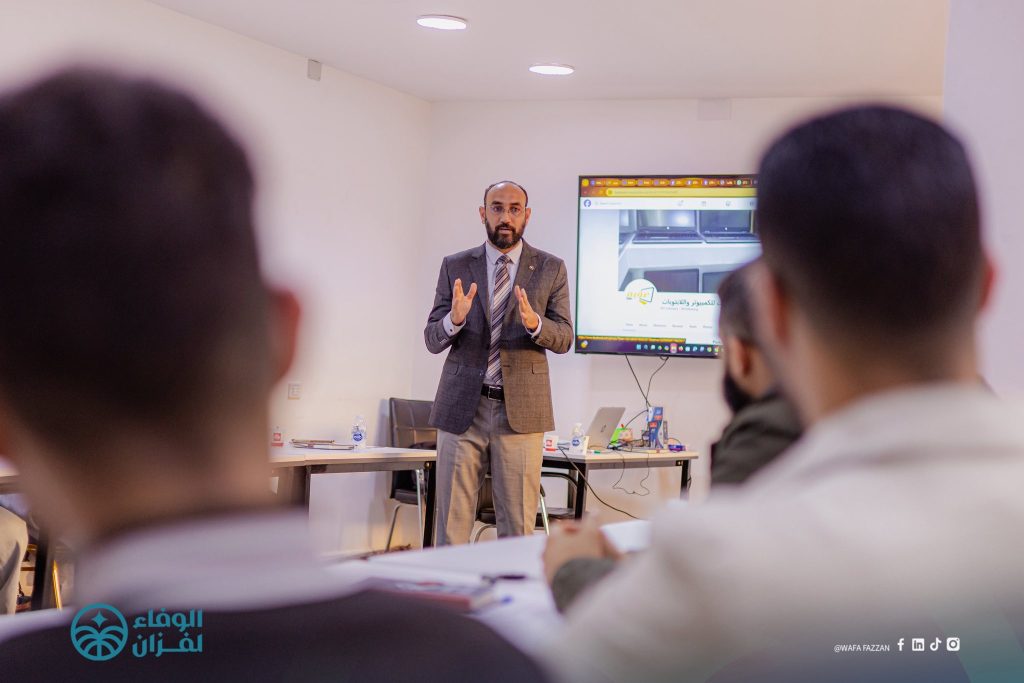
During this period, no fewer than 50 trainees were trained in various entrepreneurial fields, in addition to providing direct financial support with a total value of 250,000 Libyan dinars, which will be disbursed during an official closing event for the first and second phases in March of the coming year. This support aims to develop their existing projects and enhance their sustainability. These training activities covered several cities and areas in the southern region, including Ubari, Murzuq, Idri, Al-Shati, Ghat, Sabha, Al-Qatrun, in addition to a number of neighboring municipalities and areas.
At the same time, the project has begun this week the launch of a new training program targeting an additional group of 50 trainees, with an expansion to include other cities and regions, ensuring the achievement of the project’s main objective of providing integrated support and reaching the largest possible segment of project owners in the south.
Within the framework of supporting the agricultural sector, the project has supported no fewer than 6 farms in the Al-Bawanis area by providing them with modern solar energy systems, contributing to the promotion of clean energy use and improving agricultural production efficiency. The project aims to support at least 50 farms during the current year in the municipalities of Al-Sharqiya, Sabha, Ubari, Al-Bawanis, Wadi Utba, Al-Shuwairif, and Al-Qatrun.
It is also planned that the project’s scope will expand during the second quarter of the year to include the industrial and tourism sectors, through supporting and developing the capacities of small enterprises and travel and tourism agencies operating in these fields. This will be achieved through a series of in-person and online sessions focusing on digital marketing skills, coordination, and logistics management, contributing to positioning southern Libya as a promising tourism destination at the national level.
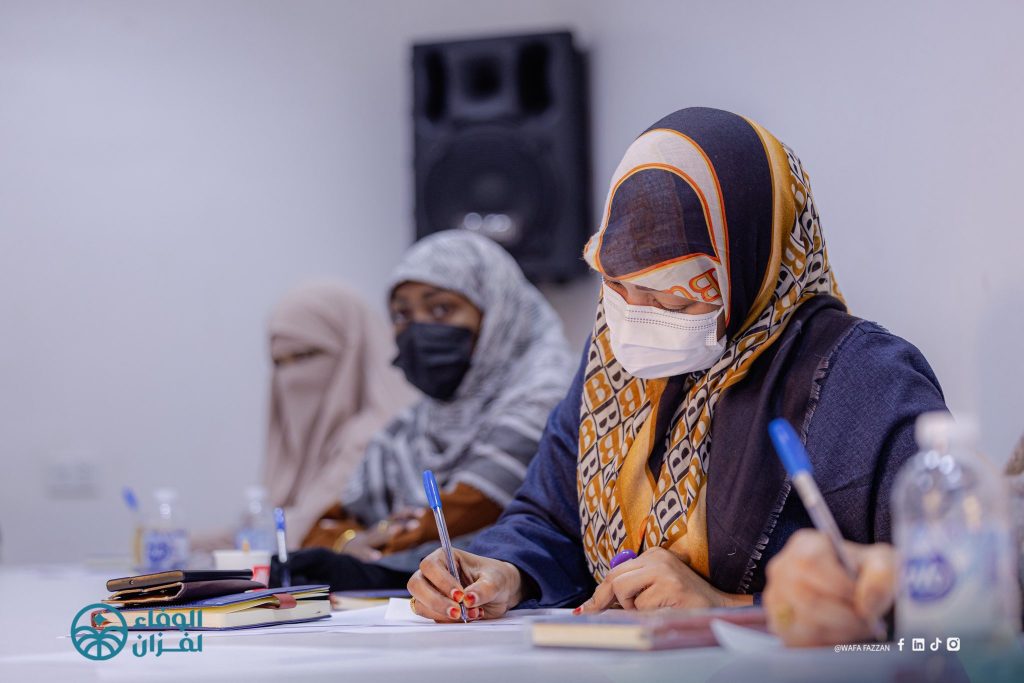
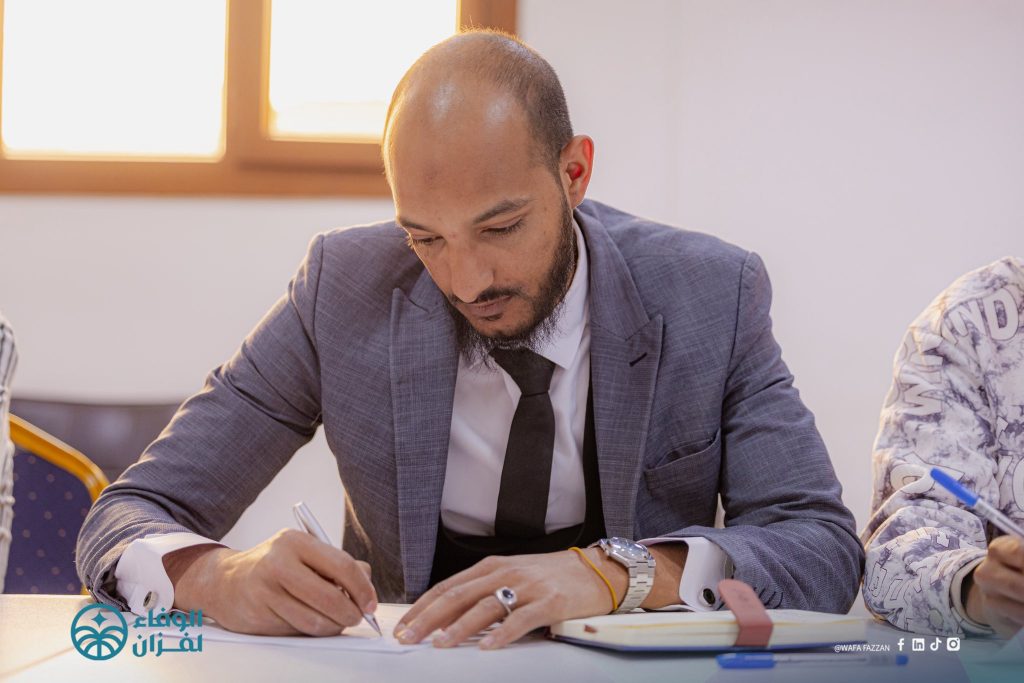
The project is distinguished by its integrated and comprehensive approach, placing special emphasis on vulnerable and most vulnerable groups, which have been given priority within the training programs and support mechanisms. In this context, the project targets no fewer than 50 women, including mothers of children on the autism spectrum, divorced women, and widows, while working to secure sustainable sources of income for them by developing their home-based projects and strengthening the individual economy, in cooperation with the Khalifa Foundation for Humanitarian Work.
In the context of supporting youth entrepreneurship, the project also targets young people and students with entrepreneurial ideas by incubating them within business incubators and training programs at southern universities. This includes cooperation with Brak Al-Shati University, Fezzan University in Murzuq, and Sabha University, to activate incubation and training programs directed at students, graduates, and owners of entrepreneurial initiatives.
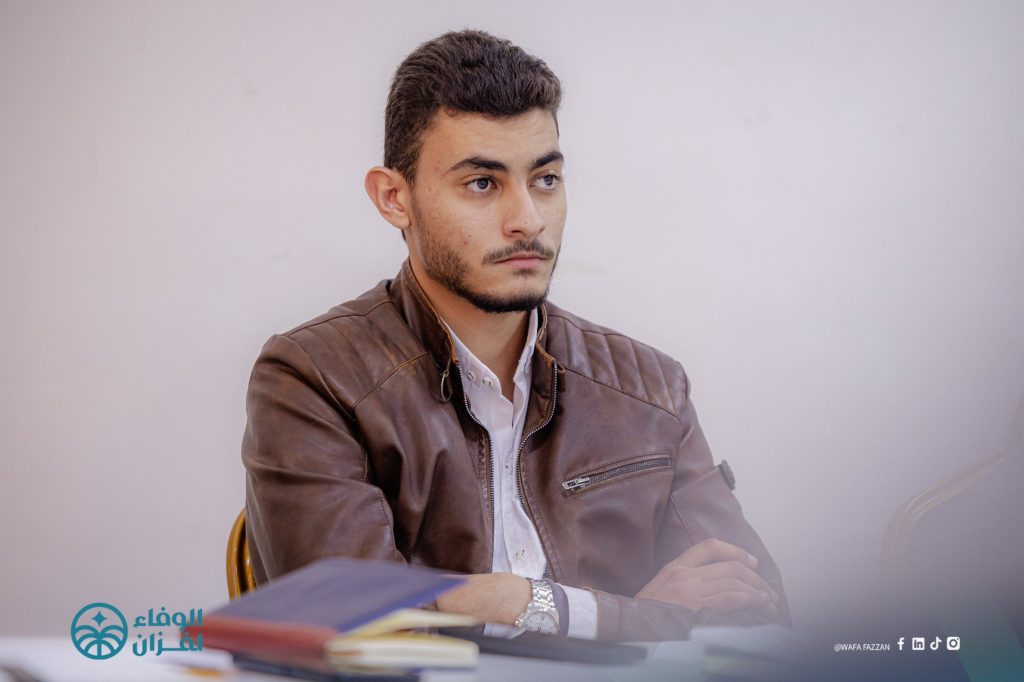

An intensive training program will be implemented over a period of six (6) weeks during the months of July and August of the current year. The program will focus on developing entrepreneurial capacities, building business models, conducting feasibility studies, marketing, financial management, and transforming entrepreneurial ideas into economically viable and sustainable projects. The program will also include mentorship and guidance sessions, as well as linking participants to the local entrepreneurship support ecosystem.
The objective of this track is to strengthen the role of business incubators in southern Libya as effective spaces for supporting local innovation, linking academic learning with the labor market, and creating a generation of entrepreneurs capable of contributing to the economic and social development of the region—within a comprehensive vision that seeks to empower individuals, strengthen the local economy, and achieve sustainable, long-term impact.